University of Strathclyde team
Professor Louise Brown Nicholls, Principal Investigator

At the University of Strathclyde in Glasgow, Louise leads the Memory & Ageing Lab group which aims to positively impact people’s health and wellbeing as they age. The group’s ongoing projects on cognition and ageing that are funded by the Economic and Social Research Council span topics such as visual memory, cognitive strategy use, sleep health, and speech and communication. Louise is the Director of the multi-disciplinary Strathclyde Ageing Network and is a founding organising committee member of the Scottish Cognitive Ageing Network. Louise completed her PhD in cognitive ageing at Glasgow Caledonian University in 2007, before carrying out postdoctoral work at Glasgow Caledonian and The University of Edinburgh. Louise became a Lecturer at Nottingham Trent University in 2011 before joining Strathclyde in 2014 as a Chancellor’s Fellow. Louise is the Principal Investigator on the STReaM project, working closely with Dr Gerard Campbell on the day-to-day work at Strathclyde, while also inputting to the Leeds- and Sheffield-based work and leading the project’s overall progress.
Professor Mario Parra Rodriguez, Co-investigator

Mario graduated as a Medical Doctor in 1993 and as a Clinical Neurophysiologist in 1997. He worked at the Cuban Neuroscience Centre and at different University Hospitals in Cuba and in Colombia. His clinical work focused on neurophysiological aspects of dementia and other neurological disorders. He completed his PhD in Psychology in 2009 at the University of Edinburgh and continued with two Postdoctoral Fellowships funded by Alzheimer’s Society. He was an Assistant Professor in Psychology at Heriot-Watt University from 2015 to 2018. In 2018, he joined the University of Strathclyde, Glasgow, where he is currently a Professor in Psychology and leads the Applied Cognition Lab. The Lab is a hub for interdisciplinary research focused on developing cognitive assessments, technologies, and interventions to help address global challenges, such as dementia. Mario is a co-investigator on the STReaM project at Strathclyde.
Dr Gerard Campbell, Research Associate

Gerard obtained his PhD in Psychology from the University of Strathclyde in 2022, where he investigated the cognitive and neural basis of creativity in product design engineering. He joined the STREAM project as a Research Associate in April 2024, and has played a leading role in running the behavioural experiments at Strathclyde University. This includes designing the experiments, running sessions with participants, as well as analysing and disseminating research findings. He also plays a key role in facilitating collaborations with the project’s stakeholder panel, as well as in the general day-to-day management of the project. Gerard’s main research interests are focused on improving memory and thinking skills throughout the lifespan


University of Leeds team
Professor Melanie Burke, Co-investigator

Professor Melanie Burke did a PhD in Visual Neurophysiology at the University of Manchester, investigating neural mechanisms of visual processing. Postdoctoral work with Dr Niall McLoughlin strengthened her expertise in vision science and optical imaging before she joined Professor Graham Barnes’ Sensorimotor Neuroscience Laboratory, expanding into fMRI, eye‑movement control, multisensory integration, and sensorimotor learning. In 2007, Professor Burke joined the University of Leeds, where she established the Brain and Behaviour Laboratory, a facility combining fNIRS, TMS, and precise eye‑ and hand movement tracking. Under her leadership, it has become a resource for interdisciplinary work on ageing, neuroplasticity, cognition and behaviour interactions. Professor Burke’s career reflects a commitment to understanding how the ageing brain changes and how neuroscience can inform practical interventions. Her work continues to bridge fundamental science with clinical impact, fostering collaborations across physiology, engineering, psychology, and health sciences. Prof Burke’s role in this grant is to support Dr Nannetti in translating the behavioural tasks created in Strathclyde into an eye-tracking and fNIRS based approach for investigating the neural correlates of strategy use in younger and older adults. She will also assist Dr Nannetti in optimising analysis to extract meaningful data to understand how the prefrontal cortex adapts during explicitly instructed strategies versus implicit strategy use.
Professor Richard Allen, Co-investigator
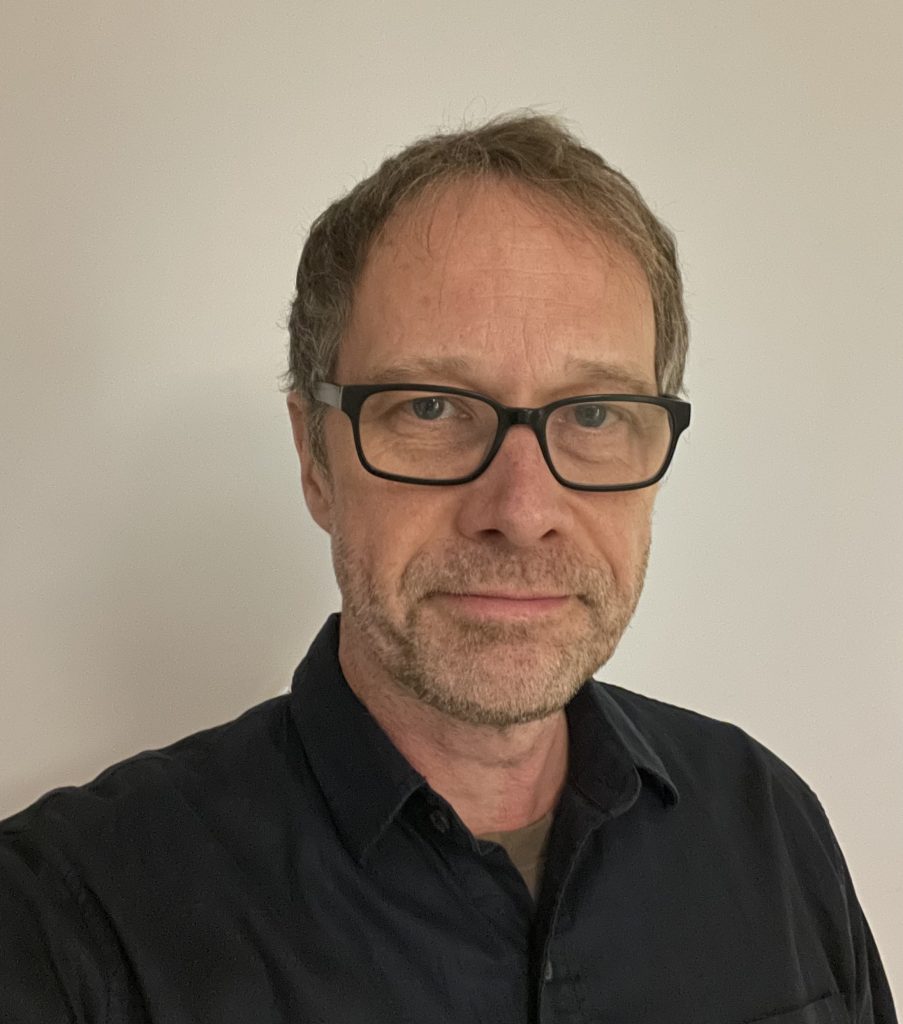
Professor Richard Allen: Richard Allen is a Professor of Cognitive Psychology at the University of Leeds. He completed his PhD at University of York in 2003, and worked as a post-doctoral researcher at the Universities of Bristol and York with Alan Baddeley and Graham Hitch. He joined Leeds as a lecturer in 2008 and was made full Professor in 2025. Richard’s research interests are in understanding working memory, attention, and long-term memory, and their interactions. He is particularly interested in the principles that determine how these key aspects of cognitive function might be impaired or improved, across different populations including children, neurotypical adults of different ages, and neurodiverse/clinical groups. Richard is lead co-investigator on the overall project.
Dr Francesca Nannetti, Research Fellow
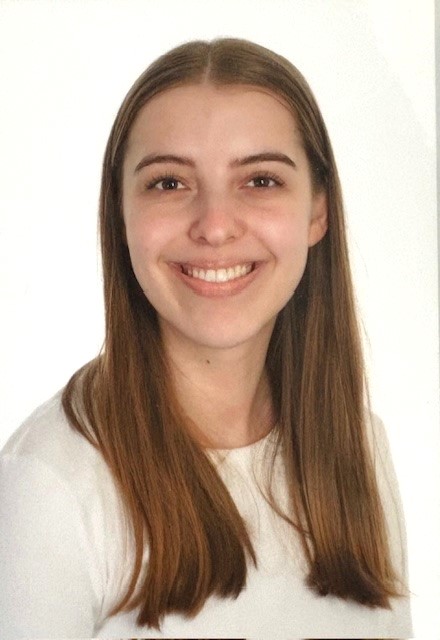
Francesca completed her PhD in Cognitive Neuroscience at the University of Nottingham in 2025, where she investigated the neural mechanisms underpinning visuospatial attention using multimodal neuroimaging techniques, including EEG, MRI, TMS and eye‑tracking. Alongside her doctoral work, she contributed to the international #EEGManyLabs project, taking a leading role in data collection and primary analysis for her lab’s contribution to this large‑scale replication initiative. She joined the STREAM project as a Research Fellow in June 2025 and is responsible for its neuroimaging arm. Her current research examines the neural and eye‑movement mechanisms that support strategy use during visual working memory. Francesca has adapted the original Strathclyde experimental design for neuroimaging suitability, collected the dataset, and together with Prof. Burke, developed a comprehensive analysis pipeline for complex data. More broadly, Francesca is interested in advancing multimodal imaging approaches, understanding cognitive processes in healthy ageing, and strengthening the bridge between research and clinical practice to ensure scientific insights translate into meaningful real‑world impact.
University of Sheffield team
Professor Claudia von Bastian, Co-investigator
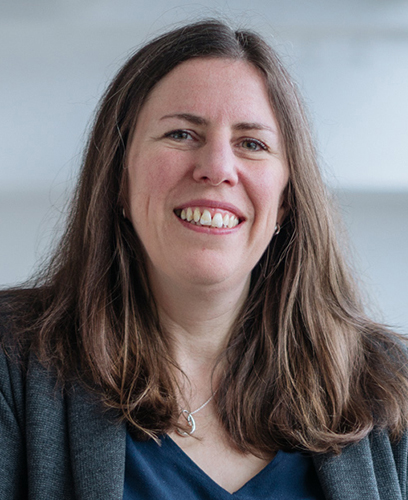
Claudia von Bastian is a Professor of Cognitive Psychology at the University of Sheffield. She earned her PhD in Psychology from the University of Zurich in 2012, working with Klaus Oberauer, and conducted research at the University of Bristol as a visiting researcher before holding positions at the University of Zurich, the University of Colorado Boulder, and Bournemouth University. Joining Sheffield in 2017, she progressed to Full Professor in 2025. Claudia’s research focuses on cognitive individual differences and how cognitive abilities can change through experience. As a Co-Investigator on this project, Claudia leads the Sheffield-based team to explore how strategy use varies among people, over time, and between different age groups.
Dr. Nan (Elva) Peng, Research Fellow
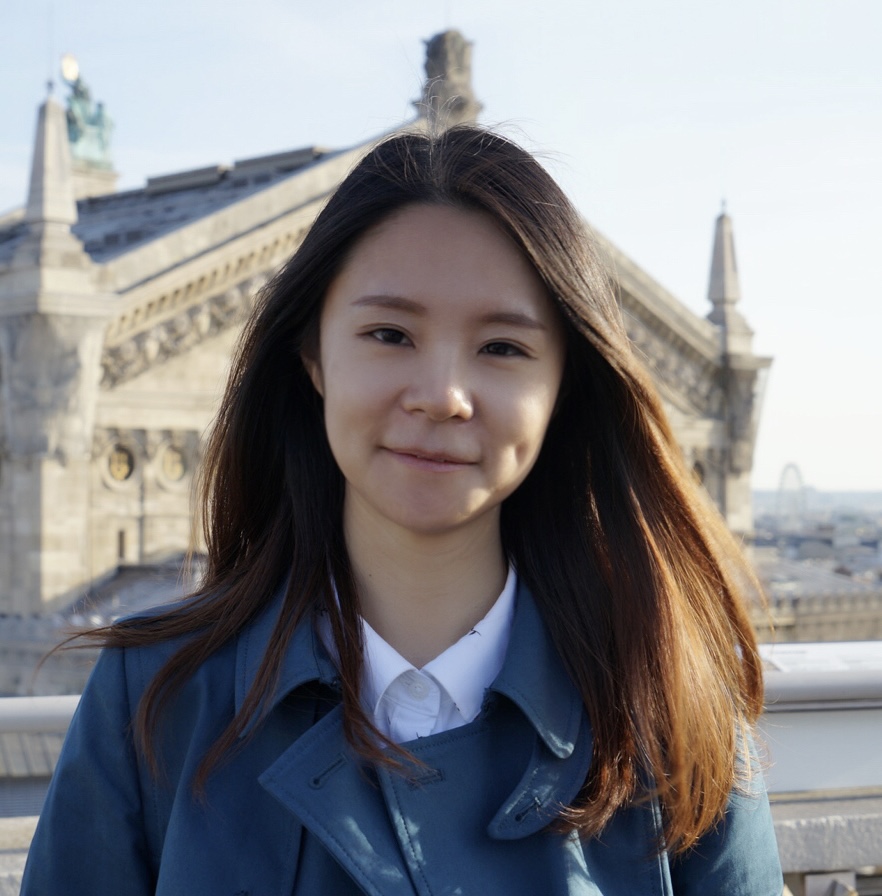
Nan (Elva) Peng obtained her PhD in Psychology from the University of Edinburgh in 2024, where she investigated the effects of levels-of-processing on long-term forgetting using behavioural and brain stimulation techniques, under the supervision of Sergio Della Sala, Robert Logie, and Paul Hoffman. Her broad research interests centre on the cognition of human memory in the healthy or pathological brain. Elva joined the STREAM project as a Research Associate in July 2025, based in Sheffield, where she is responsible for the project’s longitudinal investigation in real-world settings. Building on the collaborative work at Strathclyde, her current research examines how working memory strategy and performance change over time among younger and older adults in everyday life. She plays a key role in the study design, project management, data collection, data analysis, and dissemination of research findings.
Eleanor Hyde, Research Assistant

Eleanor Hyde is a PhD candidate and Research Assistant at the University of Sheffield, where she has been a member of Professor von Bastian’s Cognitive Ability & Plasticity Lab since 2019. Eleanor’s doctoral research investigates how complex cognitive tasks, such as playing video games, relates to cognitive performance and expertise. To explore this, she uses a combination of behavioural lab-based experiments, computational modelling, neuroimaging (EEG) and eye-tracking methods. Beyond her doctoral work, Eleanor has a keen interest in healthy cognitive ageing. She has worked as a Research Assistant on large national and international projects, gaining extensive experience working with participants across the lifespan to understand how training interventions and strategy use varies among individuals.
