Visual memory research often uses tasks involving basic visual forms such as squares on a grid or coloured shapes. While such tasks can provide fundamental insights on how the brain processes and retains visual information, they are typically not representative of the memory tasks people perform in everyday life.
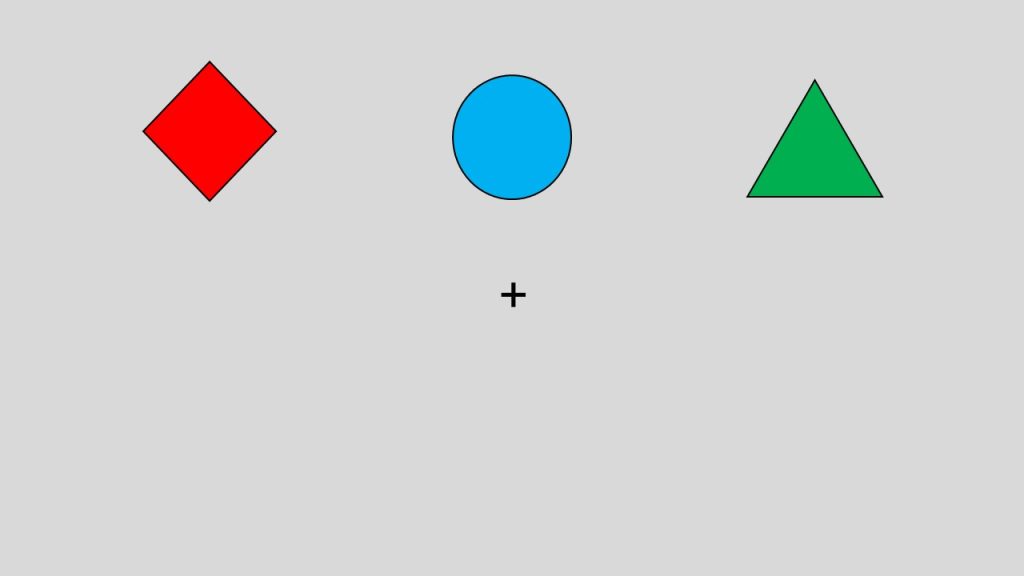
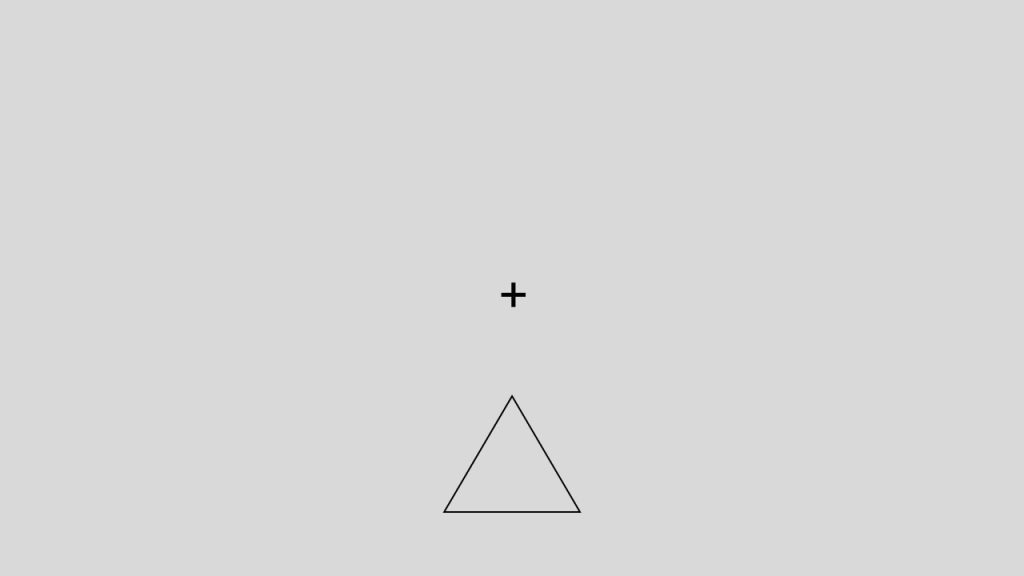
Example trial from a typical “binding” task. Participants are briefly shown a series of coloured shapes (left). Shortly after, they are then shown an outline of one of the shapes and asked to remember its colour. Based on Allen et al. (2006).
To better understand memory and strategy use in the everyday context, we developed a “real-world” visual memory task for use in research. During the task, participants view coloured objects presented within realistic virtual scenes (living room, kitchen, home office) and are asked to remember the colour or location of the objects.